The human brain is composed of 95% water, lungs are 90%, blood is 83%, muscles are 76%, and bones are 22% water. You can live 21 days or more without food but only 3 days without water/hydration. Water is critical for health.
Hydration refers to the amount of water in the body. Maintaining normal hydration for our feline and canine friends (and ourselves!) is essential for a variety of vital bodily functions, including temperature regulation, maintenance of normal electrolyte concentrations, digestion of food, lubrication of joints, organ function, delivery of oxygen and other nutrients throughout the body.
The amount of water in the body is a function of how much is taken in and how much is excreted. Water is taken into the body by drinking and via the water content in food and is lost in the form of urine, feces, bile, sweat, and humidity in exhaled breath.
Dehydration is when more water is lost from the body than taken in. This causes a number of health problems. Things like decreased circulation leading to multi-organ dysfunction, an inability to control body temperature, cardiac arrhythmias, and neurologic dysfunction, to name a few. Helping our pets avoid dehydration is a vital component of being good stewards of their well-being.
Moisture rich food helps prevent chronic dehydration, so it’s beneficial for pets prone to urinary tract infections, blockages and even kidney problems, because the extra moisture helps to keep the urinary system flushed out. It’s common sense that a higher moisture diet will help promote and maintain overall urinary tract and kidney health.
Dry kibble tends to have a moisture content of between 6 and 10 percent, semi-moist foods between 15 and 30 percent. Canned foods range from 50% to 73% or so. If you remember the first paragraph of this article, muscle is 76% water. That’s what the moisture content of our food is, +/- 2%, because we use fresh whole human-grade animal products.
Holistic vets will tell you many pets suffer from chronic (prolonged) low grade dehydration. Especially cats. There seems to be a link to long-term feeding of kibble to the increasing prevalence of urinary issues (stones/crystals) and kidney disorders in dogs and cats. Dry food can place more strain on the kidneys and cause the urine to be more concentrated, increasing the risk of infection and crystal blockages.
In humans, studies have shown that chronic low grade dehydration can lead to problems with digestion, elimination, urination, kidney disease, neurological function, respiration, skin, blood pressure, cholesterol, joints, pH balance and more.
Cats tend to have a low thirst drive which means they need to get most of their moisture from the food they eat (think about the opening paragraph — a mouse or bird is more than food, it’s a drink of water).
Your 10lb cat needs 7-9oz of water per day, about 0.8oz per 1lb of body weight. If you feed 10oz of food that has a 75% moisture content, that’d be about 7.5oz of water.
Dogs typically require at least one ounce of water for each pound of body weight, per day. If you’re unsure whether your pet is drinking enough, ask your vet.
You can usually increase the water your pet consumes with a few tricks:
Drinking water is an efficient way to hydrate. However, getting hydration through food can also be a great way to hydrate, since food contains not just intercellular moisture, but key nutrients. When I say food, I’m not talking about potato chips; I’m talking whole, fresh foods that are minimally processed.
Moisture absorption from food is enhanced with the addition of amino acids, electrolytes (salts), and vitamins. While plain water can address general hydration needs, moisture from food is very effective because it supplies more complete hydration by replacing nutrients lost from the body along with the moisture.
Water weighs about 1oz of weight for 1oz of water volume (1oz in a measuring cup is 1oz of weight). When your animal rehydrates, it’s like adding water to a raisin. Or water to dehydrated food. It reconstitutes. You’ll see weight gain quickly, as the animal (or human) rehydrates to their normal condition if you provide enough moisture. The amount of weight gain can give you an idea of how dehydrated you dog or cat was, once you get enough moisture into their body to satisfy their needs.
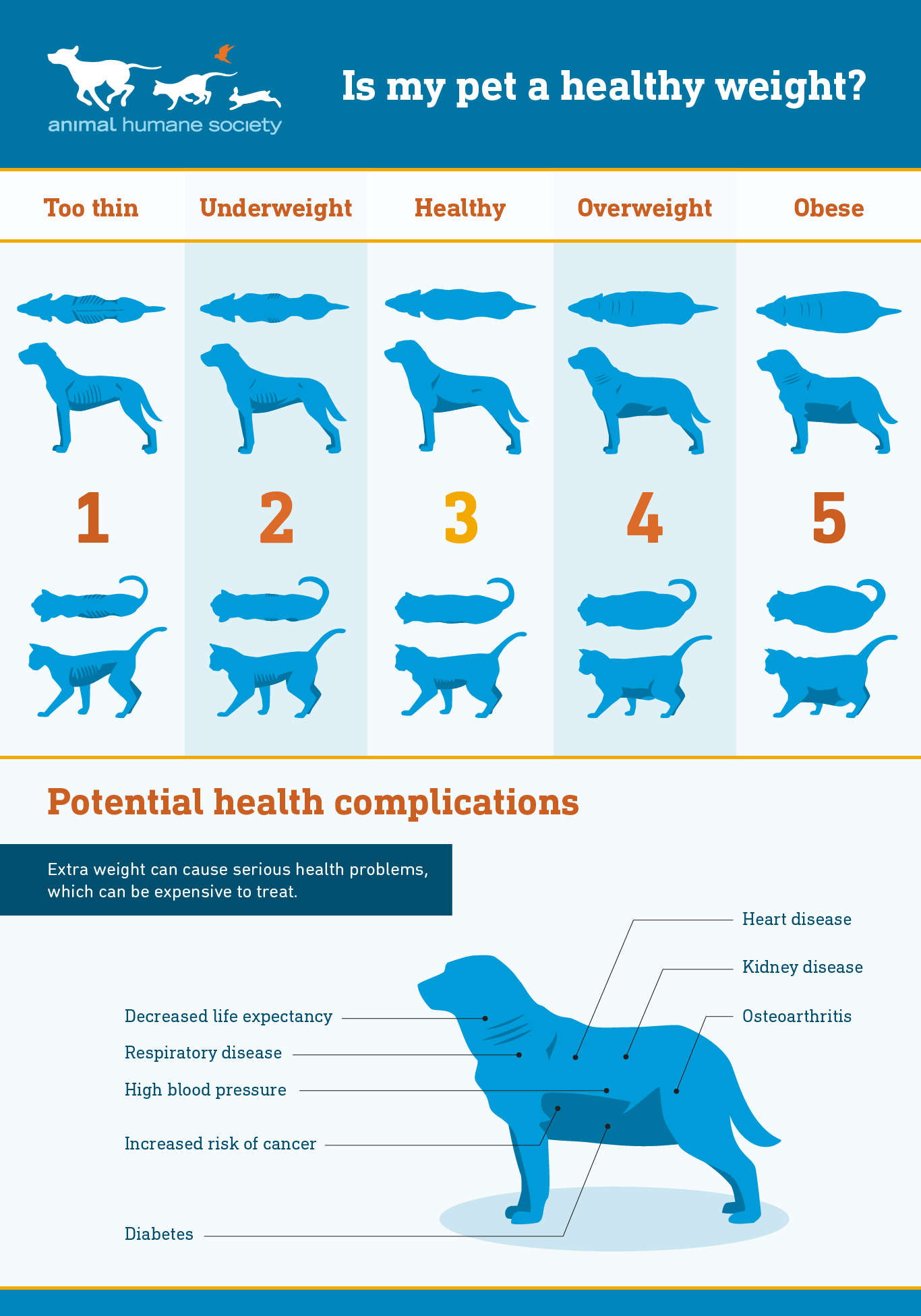
The bottom line is hydration is critical for our pets. Hot weather, low moisture diets, and lack of water intake can combine to create a chronic state of dehydration. This can lead to a number of health issues, like struvite crystals, UTIs, kidney damage/CKD, liver damage, joint issues, mental clarity, and more.
High moisture diets such as our raw or gently cooked products along with adding broth for flavor can help repair or prevent the effects of dehydration.
In recent years, pet owners have become increasingly concerned about the quality and nutritional value of the food they feed their furry companions. One trend that has been gaining popularity is the use of hydrolyzed ...

Introduction As pet owners, we are constantly seeking ways to improve the health and well-being of our beloved furry companions. One aspect that has gained significant attention in recent years is the use of herbal ...
As we move through this holiday season and towards the new year, we’ve been stuffing our faces as we prepare to stuff our stockings! You might already be at the point where you are loosening ...